Duty: The Foundation of Kantian Ethics
Summary
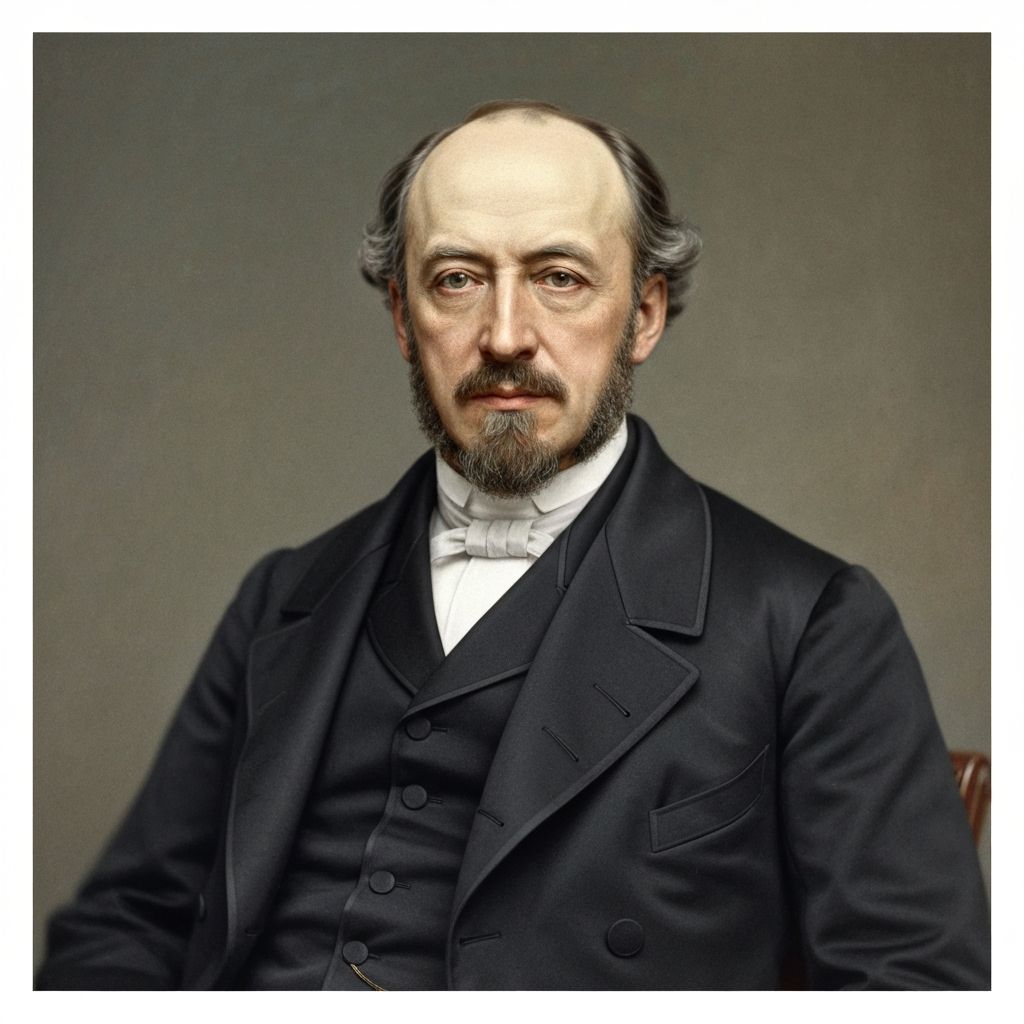
Immanuel Kant (1724-1804) developed deontological ethics—"deontology" comes from Greek deon meaning "duty". For Kant, morality is about doing your duty for duty's sake, not because of feelings, desires, or consequences. The only thing unconditionally good is a "good will"—acting from duty because reason recognizes moral obligation. Actions have moral worth only when performed from duty (motivated by moral law), not merely in accordance with duty (accidentally doing right but for wrong reasons). Example: A shopkeeper who charges fair prices from duty (because it's right) has moral worth; one who does so from greed (to attract customers) does not—even though both perform the same action. Duty is discovered through reason, not emotion; Kant says we must act on categorical imperatives (unconditional commands like "Do not lie") not hypothetical imperatives (conditional commands like "Don't lie if you want to be trusted").
Detailed Explanation
What Is Deontological Ethics?
Definition
- Deontology = the study of duty.
- From Greek deon (duty) + logos (study).
- Deontological ethics = ethics based on rules and obligations, not consequences.
The Focus
- Deontology is concerned with what people do—the nature of the action itself.
- NOT concerned with consequences (that's consequentialism/teleology).
- NOT concerned with character (that's virtue ethics).
Kant's Version
- Kant argues we have a duty to follow the moral law.
- The moral law is universal, absolute, and discovered through reason.
- Actions are right if they respect the moral law, wrong if they violate it—regardless of consequences.
The Good Will: The Only Unconditional Good
What Is the Good Will?
Kant's Starting Point:
Kant asks: What is unconditionally good? What is good in itself, without qualification?
His Answer:
The only thing that is unconditionally good is a good will.
Kant's Quote:
"It is impossible to conceive anything at all in the world, or even out of it, which can be taken as good without qualification, except a good will."
Why Other Things Aren't Unconditionally Good
| Quality | Why It's Only Conditionally Good |
|---|---|
| Happiness | Only good if deserved. An evil person being happy is not good. |
| Intelligence | Can be used for good or evil. A cunning criminal uses intelligence for evil. |
| Wealth, Power | Can be used to help or harm. Their goodness depends on how they're used. |
| Courage | Can be used for good (brave firefighter) or evil (brave terrorist). |
The Pattern:
All these things are conditionally good—their goodness depends on something else. Only the good will is good in itself.
What Makes a Will "Good"?
- A good will is one that acts from duty.
- "Will" refers to our intention—what motivates our action.
- The good will does the right thing because it's the right thing to do.
- Not because of personal feelings, desires, or expected consequences.
Kant's Phrase:
"Duty for duty's sake". We must do our duty simply because it is our duty.
Acting From Duty vs. Acting In Accordance With Duty
The Crucial Distinction
1. Acting in accordance with duty:
- Doing the right action, but for the wrong reason.
- Your action happens to conform to duty, but that's not why you did it.
2. Acting from duty:
- Doing the right action because it's your duty.
- The motive is respect for the moral law.
Only "Acting from Duty" Has Moral Worth
Kant's Claim: Only actions done from duty have moral worth. Actions done in accordance with duty (but not from duty) have no moral worth.
The Test:
Ask: "Would this action have been performed even if the agent lacked the desire to do so?"
- If yes → acted from duty → has moral worth
- If no → acted in accordance with duty (but from inclination) → has no moral worth
Kant's Examples
Example 1: The Two Shopkeepers
Shopkeeper A:
- Charges fair prices because it's the right thing to do (acts from duty).
- Has a good will and moral worth.
Shopkeeper B:
- Charges fair prices because he wants to attract more customers and make more money.
- Does the same action as Shopkeeper A.
- But has no good will and no moral worth.
The Lesson: The action is the same, but the intention differs. Only the first shopkeeper acts from duty; only he has moral worth.
Example 2: The Unsympathetic Person
Person A:
- Has natural sympathy and helps others because it feels good.
- Acts in accordance with duty but not from duty.
- No moral worth.
Person B:
- "Has no sympathy for the suffering of others and no inclination to help them".
- But "tears himself from his deadly insensibility and performs the action without any inclination at all, but solely from duty".
- This action has genuine moral worth.
Kant's Controversial Point: The person who helps despite having no desire to help has more moral worth than the person who helps because they enjoy it.
Categorical vs. Hypothetical Imperatives
What Is an Imperative?
An imperative is a command—a statement that you ought to do something. It tells you what action is necessary.
Hypothetical Imperatives
Definition:
Commands that are conditional—they depend on your desires or goals.
Form: "If you want X, then do Y"
Examples:
- "If you want to be a lawyer, you must go to law school"
- "If you want to quench your thirst, you must drink something"
- "If you want to pass this exam, you must study"
Why They're NOT Moral:
- They're prudential (about achieving your goals), not moral (about duty).
- They only apply if you have that particular desire or goal.
- If you don't want to be a lawyer, the imperative doesn't apply to you.
Categorical Imperatives
Definition:
Commands that are unconditional—they apply to everyone, always.
Form: "Do Y" (no "if" clause)
Examples:
- "Do not lie"
- "Do not steal"
- "Help those in need"
- "Keep your promises"
Why They're Moral:
- They're based on reason and duty, not desires.
- They apply regardless of your wants, goals, or feelings.
- They're absolute commands.
Kant's Quote:
"The categorical imperative would be one which presented an action as of itself objectively necessary, without regard to any other end."
Duty and the Moral Law
What Is Duty?
Kant's Definition:
Duty = the necessity to act out of respect for the moral law. Things we recognize as required of us regardless of our desires.
Example:
Your friend tells you she's pregnant and asks you to keep it secret. Over the coming weeks, you're tempted to tell others, but you don't because you promised. You act from duty—despite your desire to gossip.
The Moral Law
- The categorical imperative summarizes the moral law.
- It's the universal principle that tells us what our duties are.
- We discover it through reason, not emotion or instinct.
- Kant believed humans have a rational faculty that can recognize moral truths.
Strengths of Kant's View on Duty
1. Clear and Universal
Duty-based ethics provides clear rules that apply universally. It's not subjective—everyone can use reason to discover the same moral law.
2. Respects Human Dignity
Kant emphasizes that people should be treated as ends in themselves, never merely as means. This provides a strong foundation for human rights.
3. Avoids Moral Luck
By focusing on duty rather than consequences, deontology avoids the issue of moral luck—whether good or bad outcomes are due to our actions or external factors.
4. Provides Moral Certainty
Kant's ethics offer a sense of moral certainty—knowing what is right or wrong based on reason alone, without ambiguity.
Criticisms of Kant's Duty-Based Ethics
Criticism 1: Clashing Duties
The Problem: What happens when two duties conflict?
Example: The Murderer at the Door
- A murderer asks where your friend is hiding.
- You have a duty not to lie.
- But you also have a duty to protect innocent life.
- Kant says you cannot lie—but this seems counterintuitive.
Kant's Response: "Ought implies can"—you can only have a duty if you're capable of fulfilling it. If two duties clash and both can't be done, then one wasn't really your duty.
The Problem with the Response: But if both duties were derived from the categorical imperative, Kant's theory cannot tell us what to do.
Criticism 2: Ignores Consequences Entirely
The Problem: Shouldn't consequences matter at all? Telling the truth to the murderer seems clearly wrong because of the terrible consequence.
Criticism 3: Ignores Other Valuable Motivations
The Problem: Kant says only acting from duty has moral worth. But what about acting from love, compassion, or friendship?
Example:
- You visit a sick friend in hospital.
- Kant would say: if you visit from duty, that has moral worth.
- But if you visit because you love your friend and want to comfort them, that has no moral worth.
- This seems wrong—surely loving motivation is valuable too!
Scholarly Perspectives
"Nothing in the world—indeed nothing even beyond the world—can possibly be conceived which could be called good without qualification except a good will. A good will is one that acts from duty. Humans are motivated by all sorts of personal feelings and natural desires. To have a good will we must avoid being influenced by them and just do 'duty for duty's sake.'"
Context: Kant's foundational claim that only the good will is unconditionally good, and the good will acts from duty—doing what's right because it's right, not because of desires, feelings, or consequences.
"An action has moral worth only if it is performed from duty, not merely in accordance with duty. Imagine someone who has no sympathy for the suffering of others and no inclination to help them. But nevertheless tears himself from his deadly insensibility and performs the action without any inclination at all, but solely from duty—then for the first time his action has genuine moral worth."
Context: Kant's controversial claim that acting from duty (even when you don't want to) has more moral worth than acting in accordance with duty from natural inclination—motivation, not just action, determines moral worth.
Quick Reference: Duty in Kantian Ethics
| Concept | Meaning |
|---|---|
| Deontology | Duty-based ethics; from Greek deon (duty) |
| Good Will | The only unconditional good; acts from duty |
| Duty | Acting from respect for moral law, regardless of desires |
| Acting from Duty | Doing right because it's right—has moral worth |
| Acting in Accordance | Doing right for wrong reason—no moral worth |
| Hypothetical Imperative | Conditional command: "If you want X, do Y" |
| Categorical Imperative | Unconditional command: "Do Y" (always, for everyone) |
| Moral Law | Universal principles discovered by reason |
Key Takeaways
Deontology = duty-based ethics; from Greek deon (duty)
Good will = only unconditional good; acts from duty for duty's sake
Happiness, intelligence, courage conditionally good; only good will unconditionally good
Acting from duty: doing right because it's right—has moral worth
Acting in accordance with duty: doing right for wrong reason—no moral worth
Two shopkeepers: same action, different intentions—only duty-motivated has moral worth
Hypothetical imperative: conditional ("If you want X, do Y")—not moral
Categorical imperative: unconditional ("Do Y")—moral law
Duty discovered through reason, not emotion or consequences
Strength: respects dignity; universal; protects against bad means
Criticism: clashing duties; ignores consequences; devalues love and compassion